
What a difference a train makes
The remarkable impact of a re-opened railway in the Scottish Borders

September 15th saw the 10th anniversary of the re-opening of the Borders Railway south from Edinburgh into the Scottish Borders, at present as far as Tweedbank, just short of Melrose, a distance of some 30 miles.
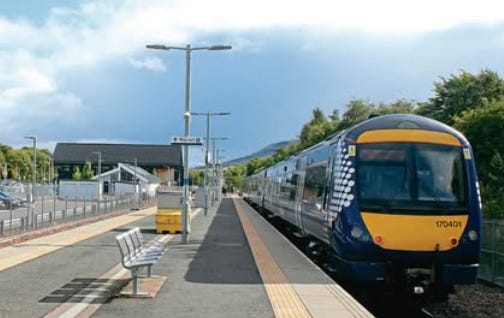
The Borders Railway has had a profound impact on many aspects of life in the Scottish Borders region. The closure of the former Waverly line from Edinburgh to Carlisle as part of the widespread programme of re-shaping railways in the UK during the 1960s and 70s had left the largely rural region reliant on poor road links and disconnected to main cities and towns in Scotland. The poor connectivity hastened the decline of places such as Hawick and Galashiels which had previously been important centres for the knitwear and textile industry, and saw population decline across the region.
Following a long campaign part of the previous Waverley route was restored and re-opened in 2015, 46 years after its closure, whilst campaigning continues for the restoration of the longer stretch of the line to Hawick, Langham and on to Carlisle. In the 10 years since it was re-opened the railway has carried over 13 million passengers journeys. Restoration of the Borders Railway has been transformational for the region.
The impacts are many and varied. The railway has facilitated economic growth through providing a vital transport link from the region to Edinburgh and beyond. It has attracted businesses and tourists to the area and played a significant role in the regeneration of communities. For example a Tweedbank Innovation Centre is being established beside Tweedbank station to stimulate investment and new business in the area. The local enterprise company has supported a series of projects in communities along the line which have aimed to capitalize on its presence. The arrival of the line has also benefitted numerous tourism businesses and has seen a rise of inward investment enquiries across the region.
A major impact of the railway has been on tourism. It has greatly improved access to some major tourist attractions in the area which have enhanced awareness of the long heritage of the Borders Region and the former industrial areas nearer Edinburgh such as Abbotsford House, the Great Tapestry of Scotland and the National Mining Museum Scotland, which in turn has supported the local economy and communities.
There has been a huge impact on residents. The line has improved access to jobs and services for those without cars boosted sustainable travel. It has encouraged housing development in Midlothian and the Borders. Midlothian, immediately south of Edinburgh is now one of the fastest growing areas in Scotland.
Some of the smaller communities along the line such as Stow, which now has its former station reopened, have experienced a significant turn-round in their fortunes. Through the activities of a local Community Development Trust the old station house has become a hub for community activities and businesses such as Stow e-bike hire and Cycle Hub. The gradual closure of local shops and cafes has been arrested as new housing attracts more residents to the community and better signage and facilities attract visitors and support local businesses.
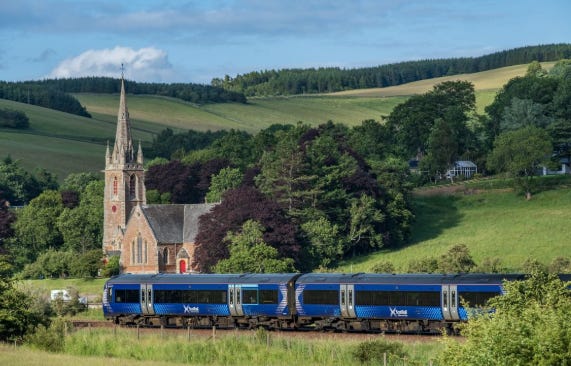
The Borders Railway is a major piece of social infrastructure and highlights the transformational impact such a project can achieve. It has made a major contribution to connectivity between the region and the central belt of Scotland. It has been a catalyst for economic growth, community development and a shift to sustainable travel. It has helped the re-shaping of tourism and economic development across the south of Scotland.
Interestingly its impact has also stimulated developed in the governance infrastructure too. The creation of the South of Scotland Enterprise, the development of a regional economic strategy and the creation of the South of Scotland Destination Alliance all came in the wake of the railway’s arrival, reflecting a continuing desire maximize the opportunities the railway offers to the region. Taken together the railway offers so much more than improved connectivity for communities between Edinburgh Waverley and Tweedbank.
Great article, John. I've been researching this too. It's such an important topic. I know it would be a case by case basis (with a strong business case) but I'd love to see more branch lines reopen.